How to Plan the Sangeet of Your Dreams: From Entry to Finale
Blogs Details

How to Plan the Sangeet of Your Dreams: From Entry to Finale
By Team Wedica | Jan 9, 2026
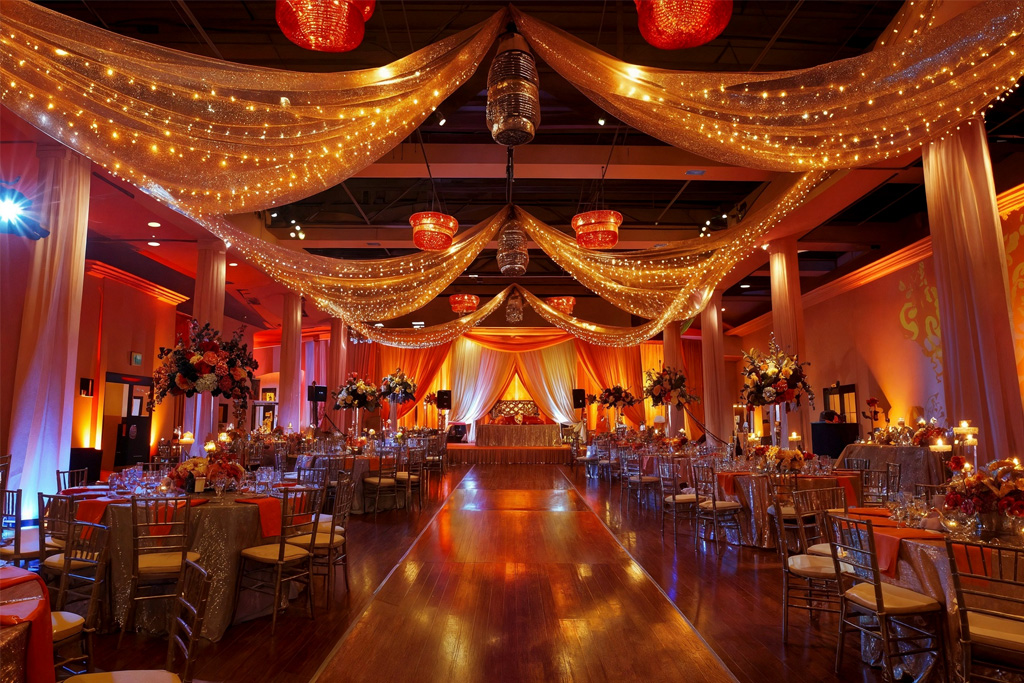
A decade ago, Sangeet was often a warm, family-led evening with a few songs, some dancing, and plenty of laughter. Today, it is one of the most anticipated wedding functions because it brings everyone into the celebration early, sets the tone for the wedding weekend, and creates memories that feel genuinely personal.
Modern Sangeets also go far beyond “back-to-back performances.” The best ones feel like an experience with a strong opening, a well-paced lineup, smooth transitions, and a finale that leaves people cheering, not checking their phones. That is exactly what a thoughtful sangeet ceremony sequence helps you achieve.
This blog guides you through the full event step by step, from venue setup and entry planning to performance flow, guest engagement, and the final moment that ties it all together.
What Is a Sangeet Ceremony and Why Is It Important?
Traditionally, the Sangeet started as a pre-wedding celebration where families gathered to sing folk songs, celebrate the union, and welcome the new relationships being formed. In many communities, it was intimate and rooted in music, blessings, and bonding.
Over time, it evolved into a performance-driven celebration. Families now choreograph dances, friends create themed acts, and couples curate music like a mini concert. This evolution is not just about spectacle. It’s about storytelling. Each performance becomes a way to say, “This is who we are, and this is how we celebrate.”
Emotionally, Sangeet is where families truly meet and mingle in a relaxed setting. Socially, it breaks the ice. For the couple, it is often the first big “we are doing this” moment, shared
with the people who matter most. Whether you are planning an intimate family gathering or a full-scale sangeet ceremony in Hyderabad, thoughtful sequencing and planning make all the difference.
How to Choose the Right Venue and Setup for a Sangeet Night
The venue should support performance visibility, great audio, and guest comfort. This becomes especially important when choosing wedding venues in Hyderabad with rooms, where guest movement, backstage access, and overnight stays need to be planned together. The three factors below matter more than how “grand” the space looks in photos.
Indoor vs outdoor
● Indoor venues are easier for sound control, lighting effects, and weather reliability.
● Outdoor venues can feel magical, but you must plan for wind, temperature, insects, and sound spill.
Stage visibility and seating
● Ensure the stage is high enough for guests seated at the back to see clearly.
● Avoid long, flat seating layouts where half the crowd has blocked sightlines.
● Reserve comfortable seating zones for elders and close family near the stage.
Sound, lighting, and performance space
● Prioritize clean vocals and balanced bass, not just loud music.
● Confirm mic count, backup mics, and a soundcheck timeline.
● Keep a clear performance area in front of the stage if you want interactive moments.
If performances are central to the night, do not compromise on the stage, lighting rig, and backstage holding space. That is where “smooth” is won or lost.
How to Plan the Perfect Sangeet Entry
Your opening moment sets the energy level for the whole night. A confident entry signals that the program has been planned and the crowd should pay attention.
Popular entry styles
● Couple entry with a short hook step
● Separate family entries, then the couple
● A surprise “friends entry” to hype the room before the couple arrives
Music and lighting
Choose one clear mood: celebratory, cinematic, or fun. Then match:
● Music tempo
● Spotlight timing
● Cold pyro or confetti
Keep the entry short. You can always do a longer couple performance later. A tight entry, followed by a warm welcome from the anchor, creates a strong start to your sangeet ceremony sequence without exhausting the crowd early.
How to Structure Sangeet Performances for Better Flow
Performance planning is not just “who dances.” It is about variety, pacing, and transitions. Mentioned below are the ways to structure the sangeet performances for better flow:
1. Avoid Back-to-Back Similarity
Do not stack five high-energy Bollywood tracks in a row or three emotional performances one after another. Mix tempos and formats.
2. Create a pacing arc
A reliable approach is:
1. Quick high-energy group performance
2. Emotional family act
3. Fun couple-friends segment
4. Short games or audience interaction
5. Another high-energy “bring it back” performance
This creates a natural rise and release of energy. If you want a simple reference, set your performance lineup as a single sangeet function flow order and share it with everyone involved.
3. Support beginners
Not everyone is a dancer, and that is fine. If you have family members who are nervous, plan at least one act built around sangeet choreography for beginners. Keep steps repetitive, keep formations simple, and focus on expressions and confidence over complexity.
When the performances are structured thoughtfully, your sangeet ceremony sequence feels intentional, and guests stay engaged without feeling like they are watching an endless talent show.
Why Anchoring and Transitions Matter in a Sangeet Ceremony
Anchoring and smooth transitions can make or break a Sangeet. They are what keep the evening moving at the right pace. Good transitions are the difference between guests feeling like the night passed quickly and feeling like it dragged on.
When performances flow smoothly into each other, with clear introductions and minimal gaps, the Sangeet feels lively and well planned. Strong anchoring helps maintain energy, avoid awkward pauses, and ensure the celebration stays engaging from start to finish.
A strong anchor does three jobs:
● Introduces performances with quick context
● Fills time during costume changes and technical setups
● Keeps energy consistent and guests attentive
To reduce gaps, plan:
● A backstage coordinator to line up performers
● A cue sheet for sound and lighting
● A fixed “on deck” rule, which is, the next act should be ready before the current one ends
The anchor should also have a short list of backup fillers such as a one-minute couple Q&A, a quick shoutout, or a short audience interaction. The goal is not to talk more. The goal is to keep the room connected while the stage resets.
How Do Décor, Lighting, and Visual Elements Elevate the Sangeet Ceremony?
Décor for Sangeet should look festive but stay practical for performances and sightlines.
Stage décor ideas
● Layered backdrop with florals plus lighting texture
● Minimal set pieces with strong lighting design
● A central feature (arch, monogram, or framed LED wall)
Lighting as the mood controller
Lighting changes can signal “now it’s emotional,” “now it’s playful,” or “now it’s party time.” Work with your lighting vendor on:
● Warm tones for family moments
● Brighter washes for group dances
● Spotlight cues for key entries
LED screens and props
LED screens can elevate impact, but keep visuals clean. Avoid overly busy animations that distract from dancers. Props work best when they are safe, easy to move, and do not require long setup time.
How Should You Plan the Grand Finale of the Sangeet Ceremony?
The finale is what people remember when they leave. It should feel like a peak, not like “one more performance.”
Popular finale formats
● Couple performance followed by a family join-in
● One big combined dance with the best hook steps of the night
● A curated “DJ drop” moment where the whole floor opens up immediately
The simplest way to end the Sangeet is with a final performance, followed by a short thank-you, and then a clear announcement inviting guests to the dance floor or dinner. When planned this way, the sangeet ceremony sequence ends on a high note and flows smoothly into the next part of the evening.
Final Thoughts
A great Sangeet is not about how big it is, but about how it feels. When you focus on the experience, the story you want to tell, and the pace of the evening, the celebration stays enjoyable from beginning to end.
Plan your timeline thoughtfully, rehearse enough to feel confident, and leave room for natural, unscripted moments. Most importantly, the best sangeet ceremony sequence is one that reflects your family, your personalities, and your bond, and ends in a way that feels both heartfelt and festive. At Wedica Celebrations, we believe a well-planned Sangeet is about flow, emotion, and experience, not just performances.
FAQ’s
1. How to avoid delays during a Sangeet ceremony?
Clear rehearsals, a fixed performance order, and coordination with the DJ or sound team, along with thoughtful outfit planning help reduce delays. Buffer time between acts also helps manage unexpected changes.
2. When should emotional performances be placed in the program?
Emotional performances work best in the middle of the event. This placement allows guests to settle in while ensuring the energy can be lifted again afterward.
3. What makes a Sangeet finale memorable?
A memorable finale is inclusive and high-energy. Joint family performances, a couple’s closing dance, or opening the dance floor for all guests work especially well.
4. How important is lighting in a Sangeet ceremony?
Lighting plays a major role in setting the mood. Thoughtful lighting changes help differentiate performances and support smooth transitions throughout the evening.
5. Can beginners participate in Sangeet performances
Absolutely. Simple routines and sangeet choreography for beginners can be just as impactful when planned well and placed correctly within the program.
Popular Posts

The One Stop Destination Wedding Venue in Hyderabad
Team Wedica
SEP.23, 2024

The Ultimate Destination for Your Sangeet Ceremony in Hyderabad
Team Wedica
SEP.23, 2024

The Perfect Destination for Your Mehendi Ceremony in Hyderabad
Team Wedica
SEP.23, 2024

The Ultimate Destination for Your Sangeet Ceremony in Hyderabad
Team Wedica
SEP.23, 2024
Contact Us

