Blogs Details

Wedding Venue Booking Mistakes That Increase Your Budget
By Team Wedica | July 16, 2026
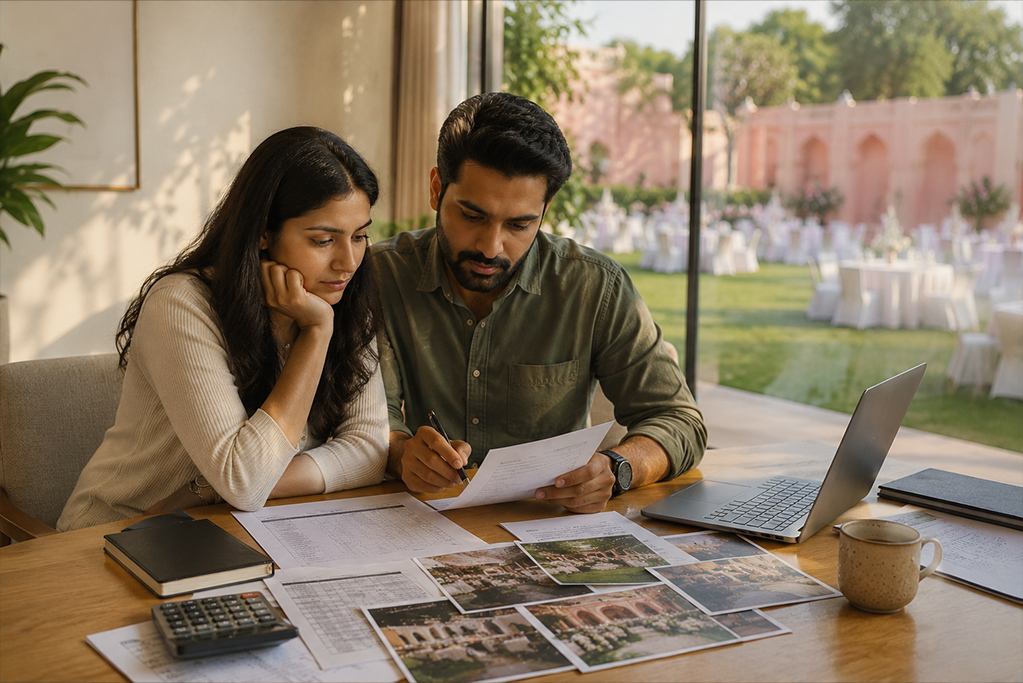
Booking a wedding venue in 2026 is not just about its scenic beauty, location, or ensuring there’s enough space for your guests. Today’s wedding venues come with their own inclusions, policies, and restrictions that can directly affect your overall wedding budget.
In this article, we’ll look at some common wedding venue booking mistakes that aren’t really mistakes. They’re decisions that may have seemed right at the time but ended up having a bigger impact on the overall wedding budget than expected.
1. Booking the Venue Before Finalising the Guest List
To secure their preferred venue, whether it’s a popular wedding hall, close to home, or a place they’ve always wanted, many families book it early in the wedding planning process. While this has its advantages, doing so before estimating the guest list can lead to unnecessary expenses.
If the guest list increases later, you may need additional seating, a larger dining area, or even a bigger venue. On the other hand, booking a venue that’s much larger than required means paying for unused space. Prepare a tentative guest list before finalising the venue. It doesn’t have to be the exact guest count, just a realistic estimate.
2. Comparing Only the Rental Price
When comparing wedding venues, it’s easy to focus only on the rental cost. However, the rental price is only one part of the overall expense. Some wedding venues include amenities such as furniture and changing rooms in the package, while others may charge separately. Some may also charge extra for overtime, generator usage, cleaning, valet parking, or additional staff required during the event.
Compare the total cost, not just the rental price. Ask for a detailed cost breakdown before booking a wedding venue. A venue with a slightly higher rental cost with all inclusive wedding services may offer better overall value.
3. Booking During Peak Wedding Dates Without Flexibility
Wedding venues are often in high demand during peak wedding season and on auspicious dates. Booking on these days usually means paying a premium, especially for popular marriage venues.
If your wedding date is flexible, compare venue prices across different dates, weekdays, or seasons before you book a wedding venue. You may get the same venue at a more affordable price.
4. Not Checking Vendor Restrictions
Some wedding venues require you to use their in-house caterers, decorators, photographers, or other service providers. While this can be convenient, it may limit your options if you’ve already shortlisted vendors. In some cases, the venue’s in-house vendor packages may cost more than hiring vendors independently.
Before booking the venue, check whether you’re free to choose your own vendors or if certain services must be arranged through the venue.
5. Forcing Your Wedding Style to Fit the Venue
Every venue has its own character and is designed for certain types of celebrations. Trying to transform an indoor banquet into an outdoor-themed wedding, or turning a simple venue into a luxury setup, often requires additional décor, lighting, temporary structures, and other custom arrangements. These modifications can add significantly to your wedding budget.
Choose a venue that naturally complements your wedding style instead of spending more to make it look like something it isn’t.
6. Booking Different Venues for Different Wedding Functions
Weddings now have multi-day celebrations including haldi, mehendi, sangeet, wedding ceremony, and reception. Booking a different venue for each event can increase transportation, décor, vendor setup, and coordination costs.
Book a venue with different event spaces within the same property. This allows each function to have its own setting while reducing logistics and overall expenses.
7. Not Experiencing the Venue in Different Conditions
A venue can look very different depending on the time of day or the day of the week. A daytime visit may not reveal how the lighting looks in the evening, while a weekday visit may not reflect the traffic, parking availability, or overall experience during a busy weekend. If these factors are overlooked, you may end up spending more on lighting, valet services, transportation, or other last-minute arrangements to address issues that could have been identified earlier.
Visit the venue during both the day and evening, and if possible, when another wedding is in progress. This gives you a realistic experience of the lighting, parking, guest flow, and how the venue functions during an actual event.
8. Booking a Venue Without Considering Guest Accessibility
If a venue is far from the city, has limited parking, or isn’t easily accessible, you may have to arrange transportation or accommodation for guests. It may also affect attendance, resulting in wastage from unused catering, seating, and other arrangements planned for a larger number of guests.
Choose a venue that’s convenient for most of your guests. If that’s not possible, budget for the additional logistics and hospitality expenses in advance.
9. Not Planning for Weather Backup
Outdoor venues such as lawns, gardens, or beachside locations can create a beautiful setting for a wedding. However, unexpected rain, strong winds, or extreme heat can quickly disrupt your plans if there isn’t a backup arrangement.
Making last-minute changes, such as renting tents, shifting the event indoors, or arranging additional cooling or heating equipment, can significantly increase your overall expenses.
If you’re booking an outdoor venue, ask about the weather backup plan and whether it’s included in the package or available at an additional cost.
10. Not Reviewing the Cancellation and Rescheduling Policy
Wedding plans can change due to personal, family, or unforeseen circumstances. If you’re not familiar with the venue’s cancellation or rescheduling policy, you may end up paying additional charges or losing a part of the advance amount.
Before paying the advance, read the cancellation and rescheduling policy carefully. Make sure the refund terms, date change charges, and payment conditions are clearly mentioned in the agreement.
11. Booking in a Hurry Without Comparing Other Venues
Wedding venues get booked quickly, especially during the peak season. While securing your preferred date is important, rushing into a booking may mean missing a venue that offers better value, more inclusions, or greater flexibility.
Shortlist and compare a few venues before making your decision. Even if you choose your first preference, comparing your options helps you make a more informed choice.
12. Overlooking Decoration Limitations
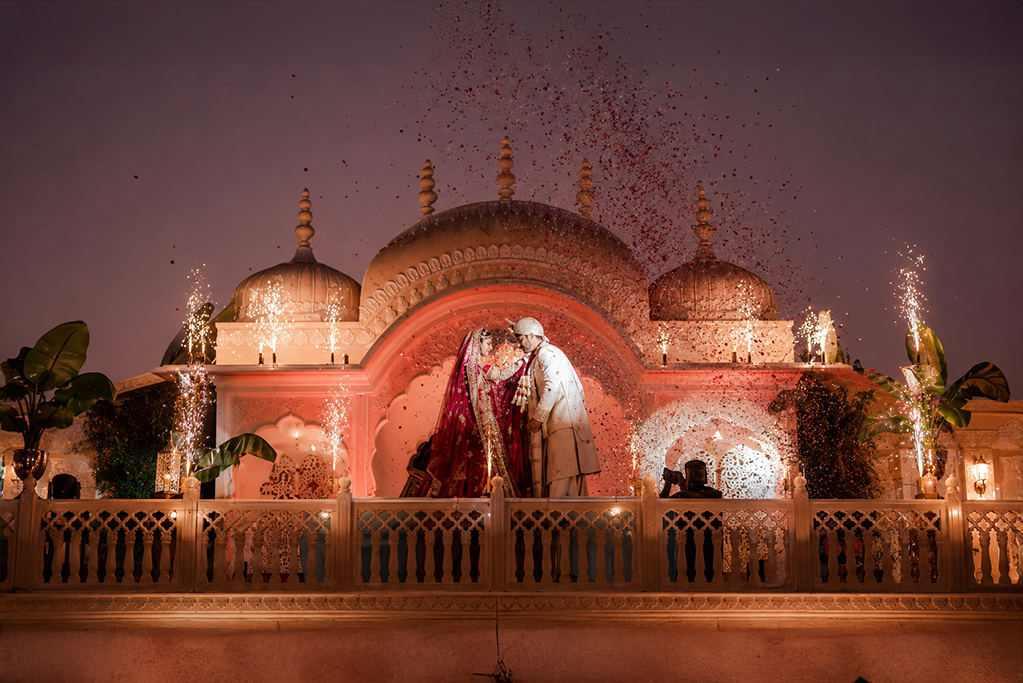
Some wedding venues have certain limitations when it comes to decorations. It may not allow ceiling installations, hanging décor, candles, fireworks, confetti, or heavy floral setups to protect the property or comply with safety guidelines.
You then have to change decor plans or spend more on alternative arrangements that work within the venue’s guidelines. Before confirming the venue, ask about any decoration restrictions so your decor plans and budget aren’t affected later.
Final Thoughts
Every family has different priorities when planning a wedding, and there’s no single venue that’s right for everyone. The key is to choose a venue after considering not just how it looks, but how well it fits your guest list, wedding plans, and overall budget.
A little extra planning before signing the booking agreement can go a long way. It can help you avoid unexpected costs, reduce last-minute changes, and make the rest of your wedding planning much more straightforward.
FAQ’s
1. What should I ask before signing a wedding venue contract?
Ask about the total rental cost, inclusions, additional charges, cancellation and rescheduling policies, vendor restrictions, decoration guidelines, parking, power backup, and any overtime charges that may apply.
2. Can choosing one venue for multiple wedding functions help save money?
Yes. Hosting functions like the haldi, mehendi, sangeet, wedding ceremony, and reception at a venue with multiple event spaces can reduce transportation, vendor setup, and logistics costs while making coordination easier.
3. Are outdoor wedding venues more expensive than banquet halls?
Not necessarily. The overall cost depends on the venue, guest count, inclusions, and whether additional arrangements such as weather protection, lighting, or cooling systems are required.
4.Is it better to choose a venue with in-house vendors?
It depends on your budget and preferences. In-house vendors can simplify planning, but comparing their packages with independent vendors can help you determine which option offers better value.
5. What hidden costs should I look for when booking a wedding venue?
Apart from the rental fee, ask about overtime charges, generator usage, cleaning fees, valet parking, security deposits, taxes, and any additional staffing costs.
Popular Posts

The One Stop Destination Wedding Venue in Hyderabad
Team Wedica
SEP.23, 2024

The Ultimate Destination for Your Sangeet Ceremony in Hyderabad
Team Wedica
SEP.23, 2024

The Perfect Destination for Your Mehendi Ceremony in Hyderabad
Team Wedica
SEP.23, 2024

The Ultimate Destination for Your Sangeet Ceremony in Hyderabad
Team Wedica
SEP.23, 2024
