Blogs Details

How to Host an Eco-Friendly Wedding in Hyderabad Without Losing the Spirit of Celebration
By Team Wedica | Apr 9, 2026
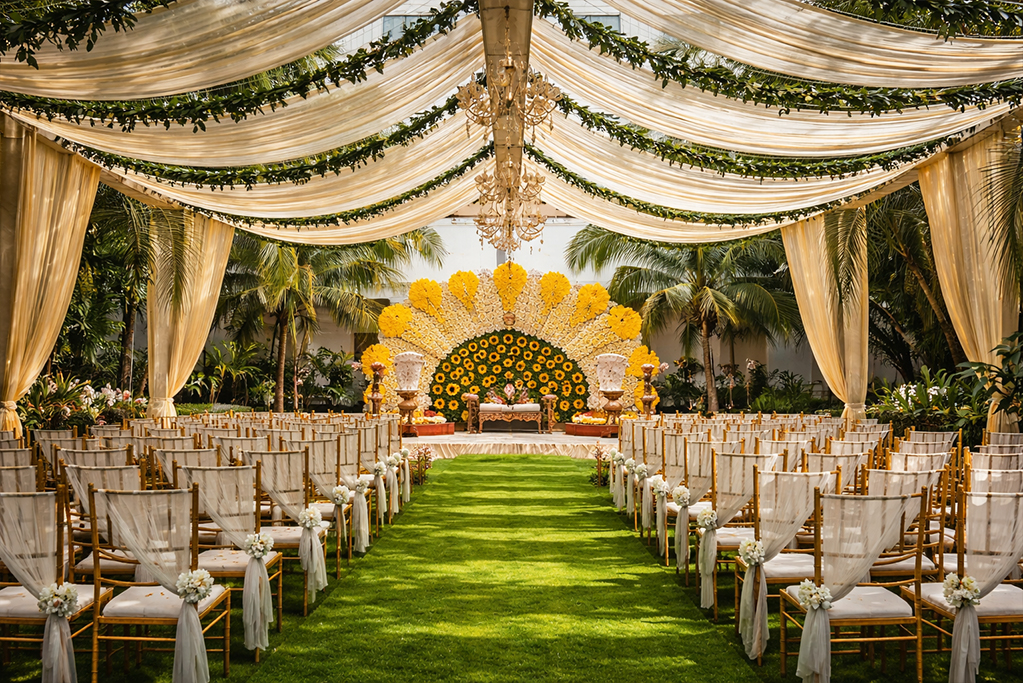
Indian weddings are full of emotion, ritual, colour, and hospitality. They bring families together and turn important moments into shared memories. But they can also create a surprising amount of waste in the process, with extra food, disposable décor, excessive packaging, one-time-use gifts, and purchases that never matter again after the event. That is why more couples today are wondering if they can have a wedding that can still feel warm, beautiful, and complete without being unnecessarily wasteful.
The answer is yes. An eco-friendly wedding in Hyderabad does not mean making the celebration plain or joyless. It means being more thoughtful about what truly adds meaning and what only adds excess.
What Does an Eco-Friendly Wedding Really Mean?
An eco-friendly wedding is not about trying to make every single detail perfect. It is about reducing avoidable waste where it matters most. That could mean using fewer disposable items, planning food more responsibly, rethinking décor, or choosing gifts and outfits more carefully.
The goal is not to remove the spirit of celebration. It is to make the celebration more intentional and reduce wastage.
Budget Eco-Friendly Wedding in Hyderabad: Start With the Scale of the Wedding
The easiest way to reduce waste is to think honestly about the size of the event. Guest count affects almost everything. The venue size, food volume, transport, décor scale, printed materials, return gifts, and overall consumption depend on the guests attending the wedding.
This does not mean couples must have a tiny wedding. It simply means that a more considered guest list can create a budget eco-friendly wedding and a less waste-heavy event. In many weddings, excess begins not with decoration, but with scale.
Green Wedding Planning Guide: Rethink Décor Without Making It Feel Smaller
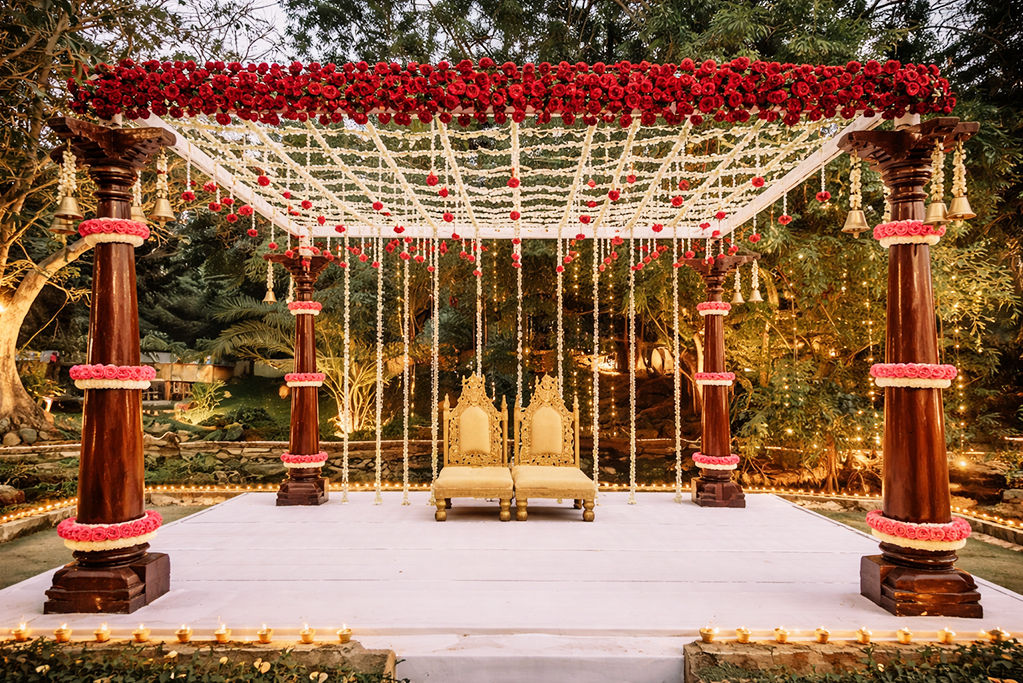
Décor is one of the biggest areas where weddings generate unnecessary waste. Large one-day installations, foam boards, plastic props, and excessive floral setups often look impressive for a few hours and then go straight into disposal.
A better approach is to choose décor that feels elegant but not disposable. Fabric drapes, reusable structures, rented decorative pieces, brass elements, candles, potted plants, and locally sourced flowers can still create a rich atmosphere. Beauty does not always come from volume. Often, it comes from restraint, texture, and thoughtful styling.
An eco-friendly wedding does not need less beauty. It needs less waste disguised as beauty.
Zero Waste Wedding Tip: Make Food Planning More Responsible
Food is one of the most sensitive parts of an Indian wedding because it is closely tied to hospitality. No family wants guests to feel there was not enough. But abundance and waste are not the same thing.
Responsible zero waste wedding tips always start with food planning, which begins with a realistic guest estimate. Menus also do not need to be oversized to feel generous. A well-curated spread usually works better than a very large menu that leads to excess leftovers.
Caterers should be briefed clearly about expected turnout, portion planning, and service style.
Where possible, couples can also explore local sourcing and post-event food redistribution through reliable channels. Even small improvements in food planning can significantly reduce waste without reducing warmth.
Plastic-Free Wedding: Cut Down on Disposables and Packaging
A lot of wedding waste is hidden in small things, such as plastic water bottles, disposable cutlery, heavily packed favours, thermocol trays, laminated signage, and individually wrapped items.
This is where simple decisions can make a visible difference. Reusable serveware, refill stations, cloth-based packaging, minimal wrapping, and reusable containers can help reduce the pile of post-event waste. Even invitation design can be reconsidered. Printed cards may still be necessary in some families, but they do not need to be overproduced.
Digital invites can reduce printing where appropriate, while printed sets can be reserved for elders or close relatives who value them.
Sustainable Wedding: Be Smarter About Wedding Fashion and Gifting
Weddings often encourage one-time buying. Outfits are made for a single day, wedding accessories are purchased for a single look, and wedding return gifts are selected more for formality than usefulness.
A more thoughtful wedding planning does not reject style. It simply asks whether purchases have life beyond the event. Wedding outfits can be reworn, redesigned, rented, or shared across functions more intelligently. Jewellery can be chosen with future use in mind. Favours can be edible, practical, reusable, or locally made instead of decorative objects that guests may never use again.
An eco-friendly wedding in Hyderabad is not anti-luxury. It is anti-waste.
Choose Vendors Who Understand the Goal for Eco-Friendly Wedding in Hyderabad
Sustainable choices become much easier when vendors are aligned from the beginning. If the decorator, caterer, planner, printer, and gifting vendor are all working in the usual waste-heavy way, the couple will struggle to make meaningful changes later.
That is why it helps to ask direct questions early. Can wedding décor elements be reused or rented? Can packaging be simplified? Can food quantities be planned more realistically? Can fresh materials be sourced locally? These are practical conversations, not idealistic ones. They make the wedding easier to manage and often more efficient overall.
Balance Sustainability With Family Expectations
Planning a wedding is not always planned by the couple alone, and many decisions are tied to emotion, culture, and family pride. That means sustainability should not be introduced like a lecture. It works better when couples choose a few clear priorities and build from there.
For example, a family may want traditional rituals and generous hospitality, but still be open to cutting plastic, simplifying gifts, reusing décor structures, or reducing over-ordering. The goal is not to fight every expectation. It is to reduce waste where it is highest while protecting what matters emotionally.
Final Thoughts
An eco-friendly wedding in Hyderabad is not about making the event feel less festive. It is about making it less careless. When couples think more clearly about scale, décor, food, packaging, fashion, and vendor choices, they often end up with a wedding that feels not only more responsible, but also more personal. Celebration does not become smaller when waste is reduced. In many cases, it becomes more meaningful because every choice feels intentional.
FAQ’s
1. What is an eco-friendly wedding?
An eco-friendly wedding is a celebration planned with more thoughtful choices to reduce avoidable waste, such as excess décor, food waste, disposable items, heavy packaging, and one-time-use purchases.
2. Can an eco-friendly wedding in India still feel grand and festive?
Yes, it can. An eco-friendly wedding does not mean removing colour, beauty, or tradition. It simply means choosing décor, food, gifting, and materials more carefully so the celebration feels full without being wasteful.
3. How can couples reduce waste at an Indian wedding?
Couples can reduce waste by planning guest count realistically, avoiding over-ordering food, using reusable or rented décor, limiting disposable items, choosing useful wedding favours, and simplifying packaging and printed materials.
4. Are digital invitations better for eco-friendly weddings?
Digital invitations are usually a lower-waste option, especially for larger guest lists. However, many couples in India still prefer printed cards for elders and close family, so a mixed approach can work well.
5. What is the biggest source of waste in most weddings?
Food waste and one-time-use décor are often among the biggest sources of waste in weddings. Excess packaging, disposable serveware, and impractical return gifts also add significantly to post-event waste.
Popular Posts

The One Stop Destination Wedding Venue in Hyderabad
Team Wedica
SEP.23, 2024

The Ultimate Destination for Your Sangeet Ceremony in Hyderabad
Team Wedica
SEP.23, 2024

The Perfect Destination for Your Mehendi Ceremony in Hyderabad
Team Wedica
SEP.23, 2024

The Ultimate Destination for Your Sangeet Ceremony in Hyderabad
Team Wedica
SEP.23, 2024
Contact Us

