Wedding Decor Budget Explained: Stage, Mandap & Lighting
By Team Wedica | Feb 20, 2026
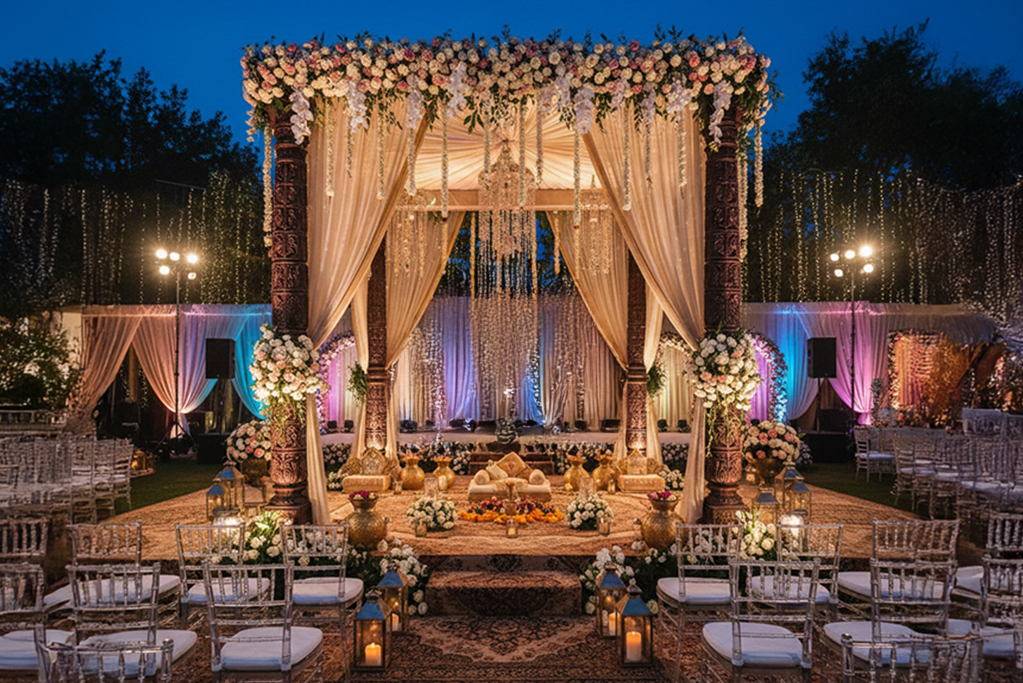
The majority of weddings in India are celebrated in grand style with festive enthusiasm. Guests start pouring in days before the main event. The joyful environment reaches a crescendo on the wedding day. As the attendee’s dance and laugh amid a raucous atmosphere, everything resembles the famous cliché, “The Big Fat Indian Wedding”.
Since these celebrations usually involve substantial financial commitments, there is a strong possibility that couples may exceed their planned budgets. Huge stage setups, lavish mandaps, and opulent lighting contribute to this outlay. While discussions on wedding decor cost recede into the background during the celebrations, the grand décoration may leave couples stressed when trying to manage costs later.
This blog focuses on the problem of over expenditure and helps couples evaluate an accurate budget, discuss cost distributions, and offer practical tips to minimise wedding decoration expenses.
Wedding Decor Cost: Key Contributors
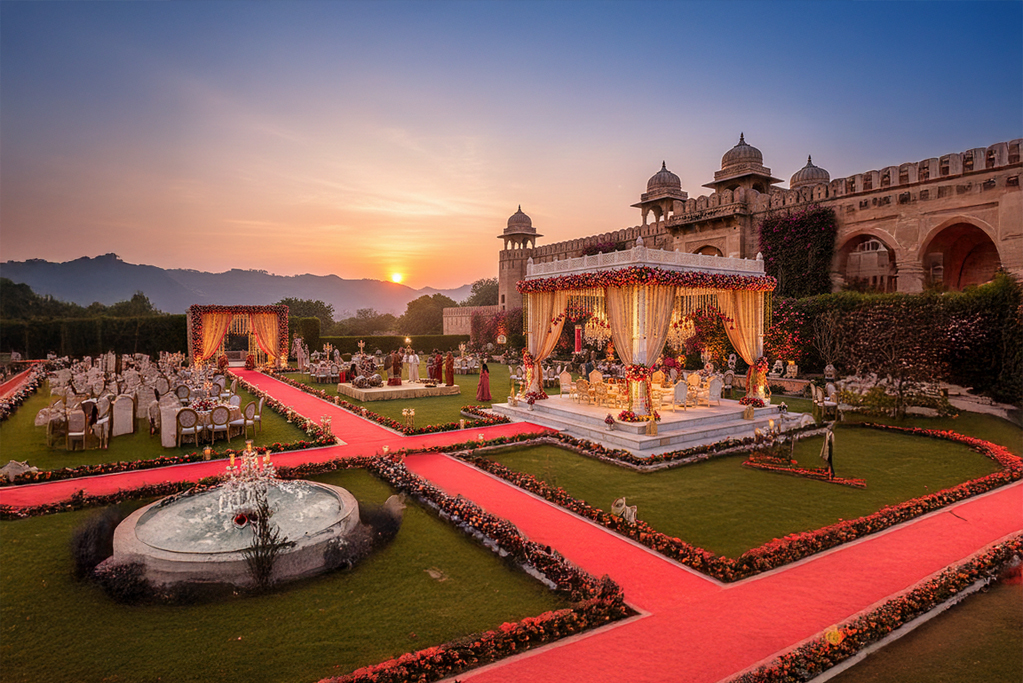
There are many factors that influence the wedding decor costs. These include stage and mandap designing, floral arrangements, lighting, thematic props, and seating areas. However, the three major areas which can quickly elevate the costs involved in decorations are as follows:
Stage - The Focal Point of Your Wedding
The stage is the most important part of the décor. It is a place where the couple makes their appearance before the guests and other invitees, and acts as a showpiece of the wedding décor.
From elegant and simple designs to opulent and lavish designs, modern wedding stages vary widely. Couples also prefer high-end lighting for the stage as it enhances the aesthetics and ensures that the backdrop of the pictures captured remains smooth and beautiful.
While an extravagant stage contributes to the visual appeal of the wedding, it also adds heavily to the overall cost. Major components which decide the wedding stage decoration cost are the size of the stage, materials used, lighting, and floral decorations.
Planning early and prioritising elements that truly matter can help couples balance visual impact with budget efficiency.
Tips for Better Management
● Ensure that only 35-40% of the décor budget is spent on designing the stage
● Carefully evaluate the use of drapes, floral decorations, and props, since overuse of these can put a strain on the budget
● Thematic props, custom backdrops, and premium fabrics are other factors that cause a surge in the wedding stage decoration. A well-thought-out plan is required to evaluate their necessity at the stage and avoid a heavy wedding décor cost.
Mandap - Centre Stage of Sacred Ceremonies
A mandap is more than just a place where the wedding ceremonies are carried out. It represents the religious and cultural significance in weddings. Also, it acts as the sacred space where holy rituals related to marriage are carried out. The couple exchanges vows here, performs sacred rites, and creates memories. These would remain with the couple throughout their life.
While designing the mandap, it is crucial that the structure offers a good visual impact. Also, the design must combine traditional and modern themes. This ensures it honours the culture while symbolising modernity.
The mandap should also remain functional and ensure easy movement for the priest who would be conducting the ritual, the couple, and the photographers.
Equal priority must be given to lighting, safety, and accessibility alongside décor. The decorators should also ensure that the mandap looks both refined and practical.
Tips for Better Management
● Ideally, 25-30% of the total décor budget should be spent on the mandap
● Mandap decoration price is determined by the size and materials used
● Floral-intensive, designer, or structurally elaborate themes tend to incur higher costs. Fabric draping and strategic lighting offer more economical alternatives
● There is no shortage of expensive options. Hence, careful management is required to ensure the mandap decoration price remains within budget
Lighting - Setting the Mood and Capturing Moments
The mood and the visual appeal of the wedding venue are based on lighting during the celebrations. It can change a dull environment into a warm and eventful atmosphere. Carefully placed lighting, focusing on floral designs and décor details, also adds refinement to the visuals. This creates an appropriate space for the photographers to take memorable pictures.
Lighting plays a key role during the couple’s entrance and in diverting the guests’ attention towards it. While areas such as the dance space require bright lighting, the dining area needs softer light that signifies calmness. This ensures everything feels authentic and captivating.
For more safety and comfort, lighting should be distributed equally between entrances, pathways, and seating areas. Most importantly, the lighting design must complement the overall décor theme, aligning with colour palettes and event timing, whether daytime or evening.
When carefully planned, lighting not only enhances ambience but also elevates the aesthetic appeal of the wedding. It contributes significantly to both guest experience and lasting visual memories, while confirming that wedding lighting cost stays affordable.
Tips for better management
Intelligent lighting systems and programmable effects can further elevate the experience but may increase costs.
The extent of the arrangement and technology used during the lighting determines the overall budget. Choose a setup which allows expenditure up to 20-25% of the overall décor budget.
Another option is to use LED lighting, which provides customizable colour effects and energy efficiency, reducing the wedding lighting cost.
While fairy lights offer a soft and romantic glow, uplighting enhances backdrops, walls, and pillars to produce a brighter visual impact.
Intelligent lighting systems and programmable effects can further enhance the ambience but may increase costs.
This highlights the need for effective management as an unplanned installation of lighting may stretch the budget and leave the couple short of funds after the wedding ends.
Final Thoughts
A well-planned wedding décor budget ensures that grandeur does not come at the cost of financial strain. Thoughtful distribution of wedding decoration expenses across the stage, mandap, and lighting allows couples to achieve a balanced celebration. This reflects both visual refinement and practicality. Each element plays a distinct role in shaping the visual and emotional experience of the wedding day.
However, disciplined planning, realistic allocation, and informed decision-making remain essential for managing the wedding decor budget. When aesthetic aspirations are aligned with financial limits, couples can host a memorable celebration without compromising long-term stability. This allows them to begin their new journey with peace of mind.
FAQ’s
1. What percentage of the total budget should be allocated to the wedding décor?
Ideally, 20–30% of the overall wedding budget can be allocated to décor, depending on priorities and venue type.
2. How much should be spent on stage decoration?
Around 35–40% of the décor budget is generally allocated to the stage, as it serves as the primary visual focal point.
3. What factors affect mandap decoration cost?
Size, materials, floral usage, structural design, and thematic elements significantly influence the mandap decoration price.
4. How can couples reduce wedding lighting costs?
Opting for LED lights, strategic placement, and avoiding excessive programmable effects can help control lighting expenses.
5. Is it possible to have a grand décor within a limited budget?
Yes, with early planning, realistic allocation, and prioritising key elements, couples can achieve elegance without overspending.
Popular Posts

The One Stop Destination Wedding Venue in Hyderabad
Team Wedica
SEP.23, 2024

The Ultimate Destination for Your Sangeet Ceremony in Hyderabad
Team Wedica
SEP.23, 2024

The Perfect Destination for Your Mehendi Ceremony in Hyderabad
Team Wedica
SEP.23, 2024

The Ultimate Destination for Your Sangeet Ceremony in Hyderabad
Team Wedica
SEP.23, 2024
