How to Reduce Wedding Costs Without Compromising Experience
By Team Wedica | Feb 19, 2026
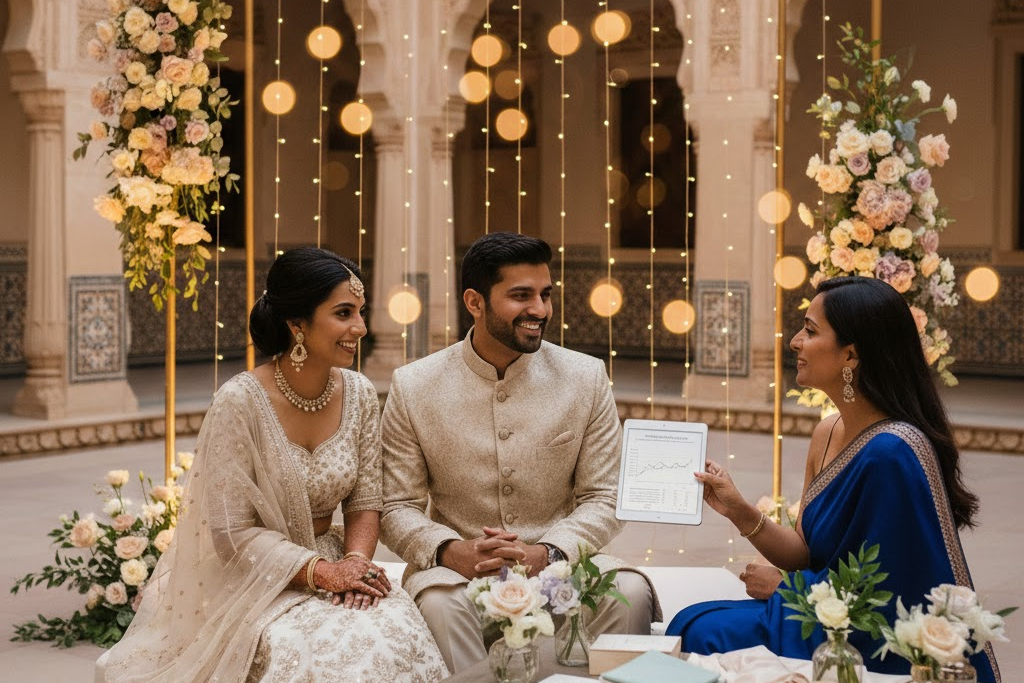
Weddings are emotional, memorable, and often expensive. But spending more does not automatically create a better celebration. The difference between an average wedding and an exceptional one usually comes down to comfort, hospitality, and how smoothly the day runs.
If you focus on what guests genuinely experience instead of what only looks expensive, you can reduce wedding costs without making the celebration feel smaller or less special. This blog outlines strategic choices that protect quality while keeping spending under control.
What Makes a Wedding Feel Premium to Guests?
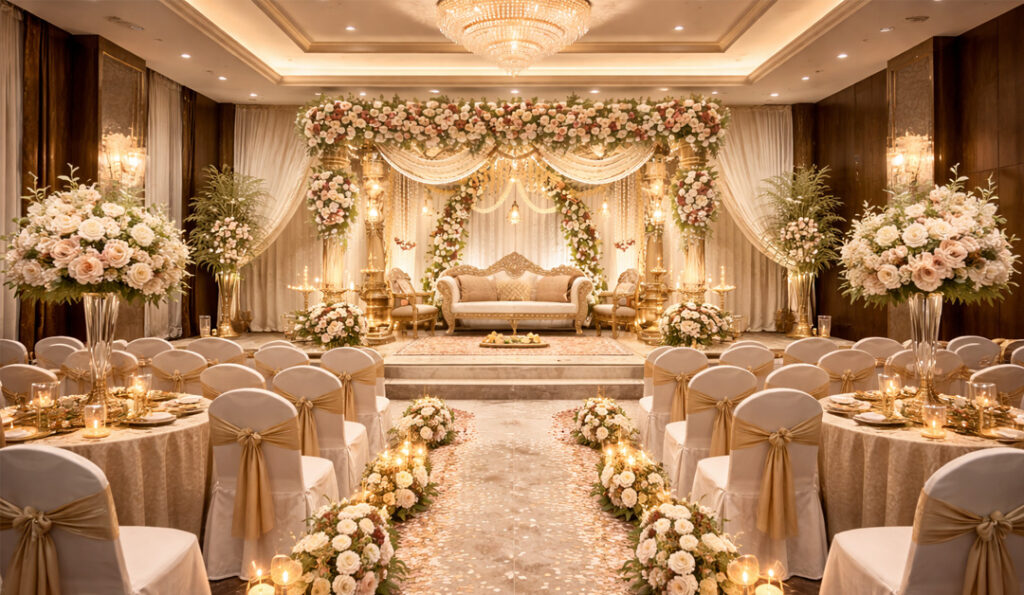
A wedding feels premium when guests feel looked after from the moment they arrive. That “premium” feeling doesn’t come from excessive décor zones or expensive upgrades everywhere. It comes from comfort, clear flow, and thoughtful hosting. When these basics are strong, even a simple wedding looks and feels well planned.
Instead of asking “What can we add?”, ask “What will guests actually feel?” That shift alone helps you reduce wedding costs without sacrificing experience.
What Factors Typically Increase the Total Wedding Budget?
Most budgets don’t increase because of one big decision. They increase because multiple categories scale together, especially when you add events, expand the guest list, or approve small upgrades without tracking them. The best approach is to identify the big multipliers first, then decide where spending is truly necessary.
If you want reliable wedding cost-saving tips, start by understanding what drives the majority of spending.
Most wedding spending typically includes
● Guest count
● Venue and catering packages
● Décor and production scale
● Outfits and styling
● Entertainment and add-ons
● Logistics
How Can You Reduce Wedding Costs Without Affecting Guest Experience?
The smartest way to save is to remove repetition, not quality. In many weddings, costs rise due to repeated setups and overlapping spend, which involves repeated décor setups, staffing, logistics, and repeated “nice-to-have” elements that don’t change how the event feels. The goal is to simplify what guests don’t notice, while protecting what they do.
If you want to cut wedding expenses without the wedding feeling “budget”, focus on reducing waste and increasing clarity.
High-impact ways to save without guests noticing
● Combine smaller functions into fewer, well-executed events
● Optimise the guest list using tiers
● Choose venue packages with inclusions
● Create 2–3 statement décor zones instead of decorating everything
● Repurpose décor across events
● Pick cost-efficient dates or timings when possible
How Can You Control Catering Costs While Maintaining Quality?
Food is one of the biggest experience drivers, so the solution is not to reduce quality. It’s to design the menu so it feels premium and runs smoothly, without unnecessary variety or wastage. Guests notice taste, freshness, and service speed more than the total number of dishes.
Many couples exploring budget wedding ideas in India get better value by focusing on a strong, regionally relevant spread with fewer, well-executed counters rather than trying to cover every cuisine.
Catering choices that preserve quality and control cost
● Fewer counters with stronger execution
● Live stations are used selectively for “experience”
● Realistic portion planning to reduce wastage
● Avoid repeating similar items across multiple events
What Are Effective Ways to Limit Outfit and Styling Costs?
Outfits are emotional, and that’s why the spend can quietly grow across multiple events. A disciplined outfit plan often looks more premium than constant changes, especially when the styling finish is strong. Fit, drape, grooming, and accessories usually create the “wow”, not the label alone.
This approach also supports affordable wedding planning because it protects the look while reducing unnecessary upgrades.
Smart ways to manage outfit spend
● Limit outfit changes across events
● Rent selectively for one-time wear
● Invest in tailoring, draping, hair, and makeup
● Focus on fit and finish over brand names
What Helps Keep Photo and Video Budgets Efficient and Controlled?
Photos and videos are long-term value, but packages can be structured better. The biggest savings usually come from refining deliverables and crew size, rather than cutting meaningful coverage.
Ways to structure photo or video spending
● Adjust deliverables instead of reducing coverage hours
● One strong highlight film and full ceremony coverage is often enough
● Avoid excessive add-on edits that don’t add real value
● Right-size the crew based on the scale of events
What Wedding Add-Ons Quietly Inflate Costs?
Budgets often drift through small additions that seem harmless but add up quickly. These aren’t always wrong choices, but they need a clear reason and a cost-impact check. One signature highlight is usually more memorable than five scattered upgrades.
Common add-ons that inflate the budget
● Multiple LED screens and heavy stage production
● Fireworks, cold pyro, elaborate effects
● Luxury car entries
● Imported florals across every zone
● Too many “wow” moments in one function
How Does Guest Count Influence Every Wedding Cost?
Guest count isn’t just a catering number. It impacts venue size, décor scale, staffing, return gifts, and even logistics like parking and rooms. That’s why even a small reduction can create large savings while improving comfort and crowd flow. It’s one of the best ways to help you reduce wedding costs without changing the feel of the celebration.
This is where smart wedding budgeting becomes practical, where you can host fewer people better, instead of hosting more people with compromised hospitality.
What scales up as the guest list grows
● Catering and service staff requirements
● Venue size and minimum guarantees
● Décor coverage for larger spaces
● Return gifts and packaging
● Transport, parking, and sometimes accommodation
What Helps Prevent Unplanned Spending During Wedding Planning?
Most overspending happens gradually, not suddenly. It happens when add-ons are approved without tracking, when guest counts shift late, or when vendor inclusions aren’t clear. A simple system keeps decisions grounded and prevents last-minute pressure.
Budget control habits that work
● Lock top three priorities early (example: food, comfort, photo or video)
● Track every upgrade with cost impact before approving
● Confirm vendor inclusions and overtime charges in writing
● Freeze guest count and menu decisions by a clear deadline
● Keep a buffer to avoid rushed last-minute spends
Final Thoughts
A wedding does not need excess to feel exceptional. When you spend on what guests feel and simplify what they barely notice, you can reduce wedding costs without compromising the experience. The outcome is usually better hospitality, smoother execution, and a celebration that feels thoughtful and premium.
FAQ’s
1. What is the fastest way to lower wedding expenses?
Reducing guest count and consolidating events usually delivers the biggest immediate savings.
2. Should décor or catering receive higher priority?
Catering and guest comfort typically influence the experience more than décor volume.
3. Do weekday weddings reduce costs significantly?
In many markets, weekday bookings can lower venue premiums and improve vendor availability.
4. What hidden costs should couples plan for?
Over time, extra manpower, transport, last-minute upgrades, and guest list changes.
5. How can couples avoid overspending?
Fix priorities early, track every add-on, confirm inclusions, and keep a contingency buffer.
Popular Posts

The One Stop Destination Wedding Venue in Hyderabad
Team Wedica
SEP.23, 2024

The Ultimate Destination for Your Sangeet Ceremony in Hyderabad
Team Wedica
SEP.23, 2024

The Perfect Destination for Your Mehendi Ceremony in Hyderabad
Team Wedica
SEP.23, 2024

The Ultimate Destination for Your Sangeet Ceremony in Hyderabad
Team Wedica
SEP.23, 2024
