Blogs Details

Jeelakarra-Bellam, the Ritual That Defines a Telugu Wedding
By Team Wedica | August 28, 2026
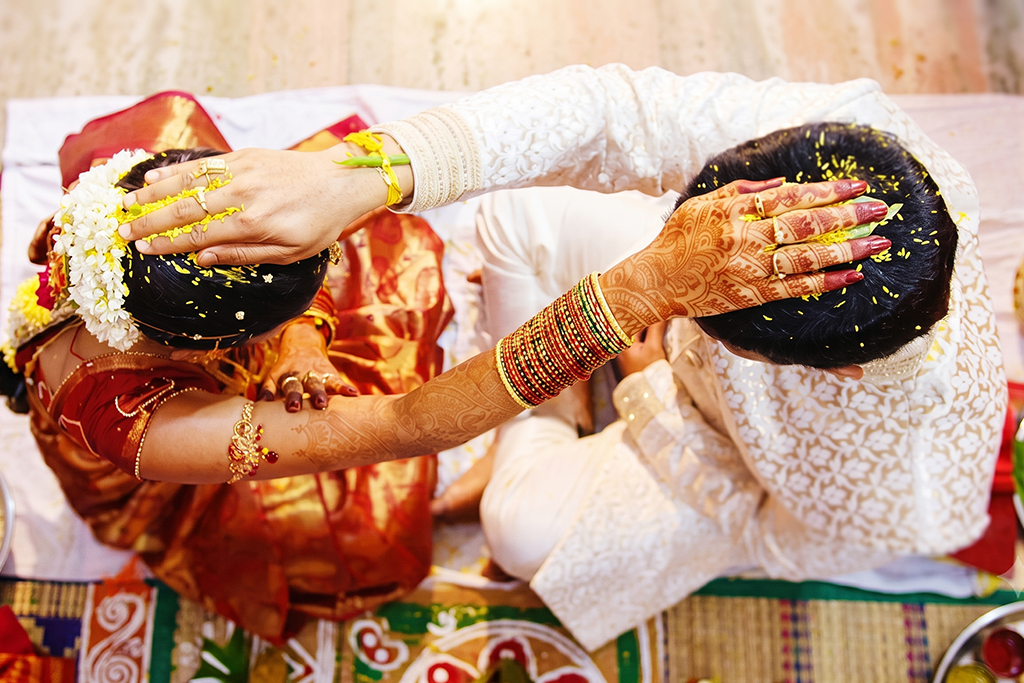
Jeelakarra-Bellam is one of the most important rituals in a traditional Telugu wedding. It is the moment when the bride and groom place a paste made of cumin and jaggery on each other’s heads. Many families consider this the true moment a couple becomes married, even more than the tying of the Mangalsutra that follows it.
What Jeelakarra-Bellam Ritual Involves
The bride and groom sit cross legged, facing each other. A curtain, called a terasala or addutera, is held up between them so they cannot see each other yet.
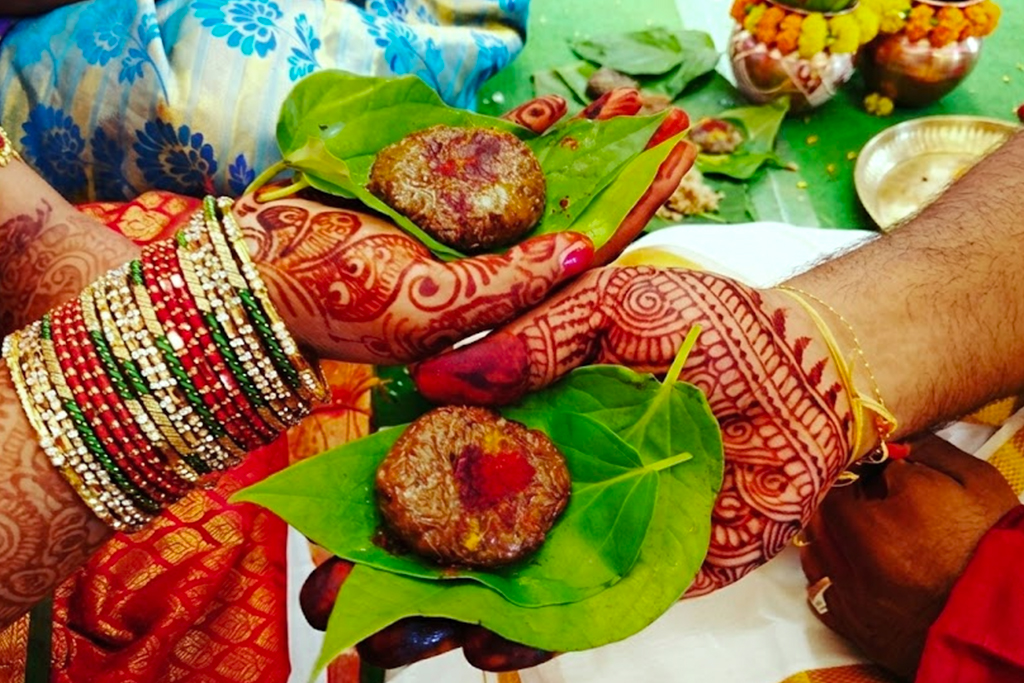
A paste made of jeelakarra (cumin) and bellam (jaggery) is placed on a betel leaf, known as tamalapaku, and handed to the couple. A priest chants Vedic mantras as the exact auspicious time, called the muhurtham, approaches. This timing is carefully calculated through astrology and is usually printed on the wedding invitation.
At the precise moment, the bride and groom reach over the curtain and place the paste on each other’s heads at the same time. Right after this, the curtain is pulled away. This is often the first time the couple formally sees each other during the ceremony.
The Meaning Behind Jeelakarra-Bellam Ritual
Cumin is bitter and jaggery is sweet. Together they represent the mixed experiences of married life, the good times and the hard times a couple will go through together. Once the cumin and jaggery are ground into a paste, they cannot be separated again. This is meant to reflect the permanence of the bond being formed. Some families also believe the ritual represents the couple’s thoughts and destinies becoming linked from this point forward.
Where Jeelakarra-Bellam Fits in the Wedding
Jeelakarra-Bellam usually takes place after two earlier rituals, Kanyadanam, where the bride’s parents formally give her hand in marriage, and Mangala Snanam, an auspicious bath taken by the bride and groom earlier that day. It happens right before, or sometimes at the same time as, the Mangalsutra-dharana, where the groom ties the sacred thread around the bride’s neck. Even though the Mangalsutra gets more attention outside Telugu communities, many families see Jeelakarra-Bellam as the actual point where the marriage takes effect.
Small Details That Add Meaning
The curtain is traditionally held by the maternal uncles of the bride and groom. Being chosen for this role is seen as an honor within the family.
Right after the ritual, elders shower the couple with akshata, which is rice mixed with turmeric, as a blessing. The bride and groom then usually change into madhuparakam, a traditional set of white clothing, before continuing with the rest of the ceremony.
Similar Rituals in Other Communities
Several other South Indian communities have a version of this ritual. Kannada weddings, for example, include a very similar ceremony using the same curtain and the same idea of a couple being formally united once it is removed. While the name and small details may differ, the core symbolism stays the same across these traditions.
Why Jeelakarra-Bellam Ritual Matters
Jeelakarra-Bellam takes something as simple as two kitchen ingredients and turns it into a lasting symbol of commitment. It tells the couple, and everyone watching, that marriage will include both sweetness and hardship, and that the bond they are forming is meant to be permanent. That is why, in many Telugu households, this quiet ritual carries more weight than almost anything else in the wedding.
FAQ’s
1. What does Jeelakarra-Bellam mean?
Jeelakarra means cumin and bellam means jaggery. The name refers to the paste made from these two ingredients that the bride and groom place on each other’s heads during the ritual.
2. Why are cumin and jaggery used specifically?
Cumin is bitter and jaggery is sweet. Together they represent the mix of good and difficult times a married couple will experience. Once combined into a paste, they also cannot be separated, symbolizing a permanent bond.
3. Is this ritual the same as tying the Mangalsutra?
No, they are separate rituals that happen close together. The Mangalsutra-dharana is when the groom ties a sacred thread around the bride’s neck. Jeelakarra-Bellam usually happens just before this, and many families see it as the actual moment the marriage takes effect.
4. Who holds the curtain during the ceremony?
The curtain is traditionally held by the maternal uncles of the bride and groom. It is considered an honor to be given this role.
5. Do other South Indian communities have a similar ritual?
Yes. Kannada weddings, among others, include a closely related ritual using a curtain and a similar idea of the couple being united once it is lowered.
6. What happens immediately after the ritual?
Elders shower the couple with akshata, rice mixed with turmeric, as a blessing. The couple then typically changes into madhuparakam, traditional white clothing, before the ceremony continues.
Popular Posts

The One Stop Destination Wedding Venue in Hyderabad
Team Wedica
SEP.23, 2024

The Ultimate Destination for Your Sangeet Ceremony in Hyderabad
Team Wedica
SEP.23, 2024

The Perfect Destination for Your Mehendi Ceremony in Hyderabad
Team Wedica
SEP.23, 2024

The Ultimate Destination for Your Sangeet Ceremony in Hyderabad
Team Wedica
SEP.23, 2024
