
Pros and Cons of Having a Live Band vs. DJ at Indian Weddings
By Team Wedica | Apr 30, 2026
Every Indian wedding has a rhythm of its own. From the excitement of the baraat to the elegance of the reception, music shapes how each moment feels. It guides emotions, builds energy, and often becomes the memory people carry long after the event is over.
This is where many couples pause and ask the same question wedding DJ or live band, which is better? The answer is not always simple. Both options bring something unique, and the right choice depends on the kind of celebration you want to create.
Why Music Choices Matter More Than You Think
Music is not just background sound. It sets the pace of the event, influences how guests interact, and even affects how smoothly different functions flow into each other.
Indian weddings are layered with multiple events, such as haldi, mehendi, sangeet, and reception. Each one needs a slightly different mood, making wedding planning and venue coordination especially important. That is why exploring the right music options for Indian wedding becomes an important part of planning, not just a last-minute decision.
The Charm of a Live Band at Indian Weddings
Where live music feels special
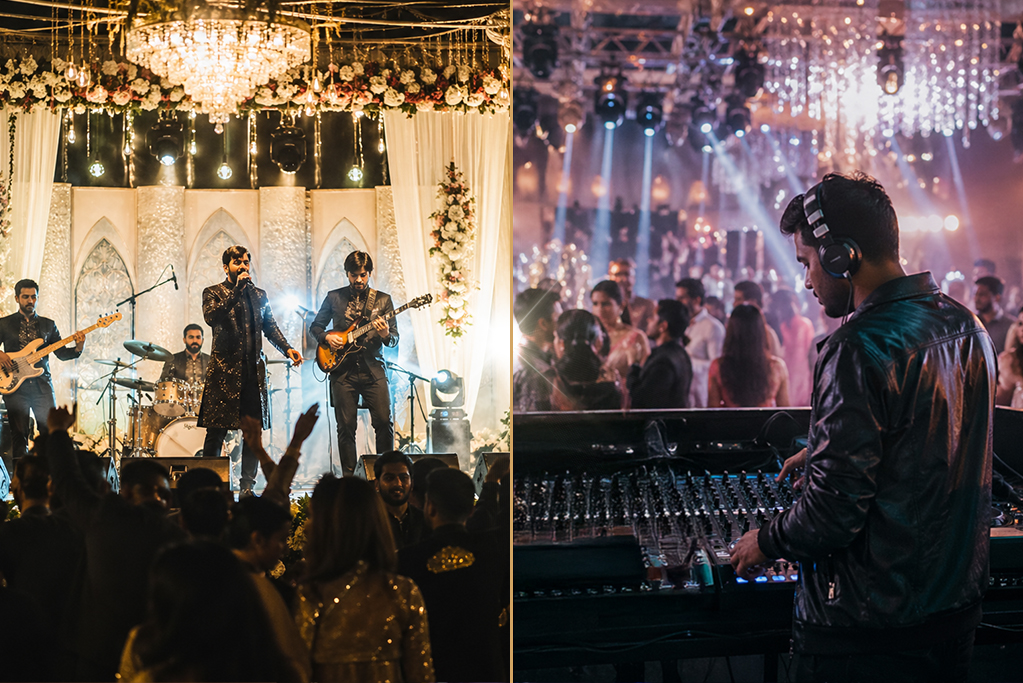
A live band brings a certain warmth that recorded music often cannot match. It works beautifully for sangeet nights, cocktail evenings, and receptions where the focus is on experience rather than just dancing.
When guests see musicians performing in real time, it adds depth to the celebration. It feels more personal and thoughtfully put together.
What makes a live band stand out
The biggest strength of a live band is its ability to create a connection. The sound of real instruments, combined with live vocals, adds emotion to every song.
Bands can also adjust tempo and mood as the event unfolds. If the crowd is enjoying softer melodies, they can extend that vibe. If energy rises, they can build on it gradually.
Things to consider before choosing a band
Live bands need more planning. They require stage space, sound checks, and coordination. Their song list is also limited compared to a DJ, which means you may not get every track you want.
The Energy of a DJ: A Crowd Favourite
Where DJs shine the most
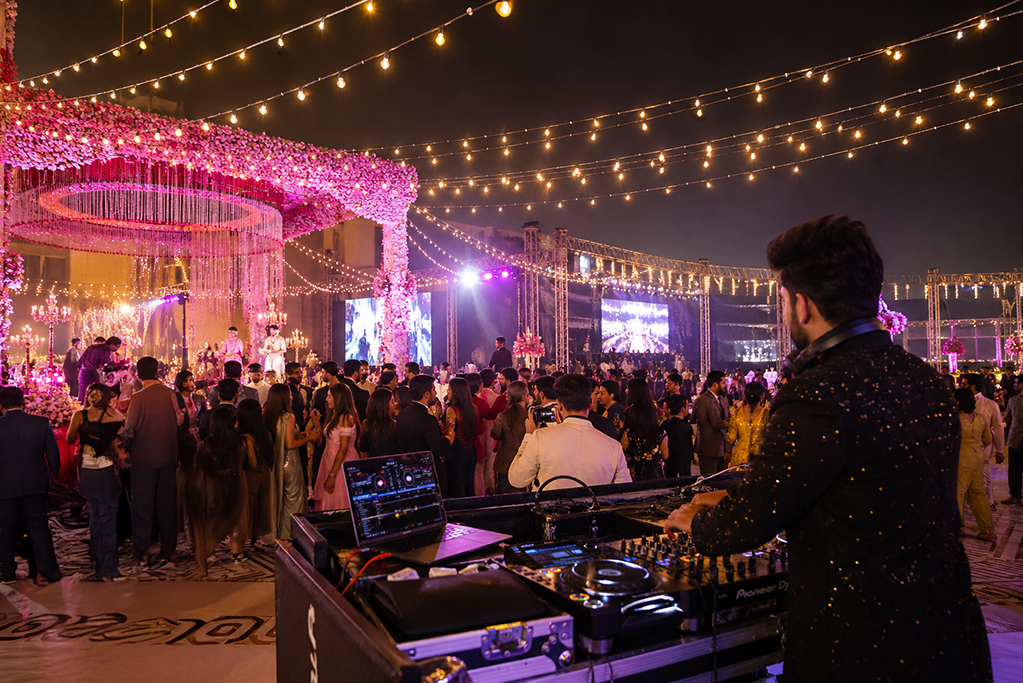
If your vision includes a packed dance floor and high-energy celebrations, a DJ often becomes the natural choice. From baraat entries to late-night dance sessions, DJs keep the momentum going.
They are especially effective during sangeet performances and after-parties where continuous energy is key.
Why DJs are so popular
A DJ brings variety. With access to a vast library of songs across languages and genres, they can switch between Bollywood, regional hits, and international tracks effortlessly
They also respond quickly to the crowd. If guests want something specific, it can be played almost instantly, keeping engagement high.
What you might miss with a DJ
While DJs are great for energy, they may not offer the same emotional depth as a live performance. The experience depends heavily on how well the DJ reads the room and curates the playlist.
Without thoughtful planning, the music can start to feel repetitive.
Live Band vs DJ Wedding: A Closer Comparison
Atmosphere and experience
A live band creates an elegant and immersive setting. It feels curated and performance-driven.
A DJ, on the other hand, builds a lively and dynamic environment focused on dancing and celebration.
Flexibility and song selection
Bands work within a defined set of songs, but deliver them with expression.
DJs offer almost unlimited choices, making them more adaptable to changing moods.
Setup and logistics
Live bands need more space, which includes a lawn venue, a banquet hall, a courtyard venue, and technical preparation. DJs are easier to set up and manage, especially in venues with limited space.
Guest engagement
Bands connect emotionally with smaller or attentive audiences.
DJs keep large crowds active and engaged for longer durations.
Cost of Wedding DJ vs Band: What to Expect
Understanding the price gap
Budget often plays a deciding role. DJs are usually more affordable, making them a practical option for most weddings.
Live bands involve multiple performers, equipment, and rehearsal time, which increases overall cost.
What affects the pricing
Several factors influence the final cost:
- Number of performers in the band
- Experience and popularity
- Duration of performance
- Travel and setup requirements
For example, wedding band Hyderabad price can vary widely depending on the scale of the event and the reputation of the performers.
Making the right call for your budget
If you are working within a fixed budget, a DJ offers better flexibility.
If you are aiming for a premium experience and can allocate more, a live band can elevate the overall feel of the event.
Choosing Based on Your Wedding Style
For elegant and curated celebrations
If your wedding focuses on aesthetics and a refined atmosphere, a live band fits naturally. It complements décor and adds a layer of sophistication.
For high-energy and dance-focused events
If your priority is keeping guests on the dance floor, a DJ is the stronger choice. It ensures consistent energy throughout the event.
For multi-event weddings
Many couples today choose both. A live band can enhance the reception, while a DJ handles the sangeet or after-party. This approach creates variety and keeps each event distinct.
Simple Tips Before You Decide
Think about your guest list
A younger crowd may lean towards energetic music, while family-heavy gatherings often enjoy live performances.
Check your venue setup
Make sure your wedding venue can support the technical needs of your choice, especially for live bands.
Plan each function separately
Instead of choosing one option for the entire wedding, match music styles to each event.
Discuss playlists early
Clear communication helps avoid last-minute confusion and ensures the music reflects your preferences.
Final Thoughts
There is no single answer to live band vs DJ wedding. Both options have their strengths, and both can create unforgettable moments when planned well.
The key is to align your choice with your wedding style, budget, and guest expectations. When music is thoughtfully planned, it does more than fill the space, it brings the entire celebration to life.
FAQ’s
1. What is the cost of a wedding DJ vs. a band in India?
A DJ is generally more budget-friendly, making it a common choice for most weddings. A live band costs more because it involves multiple performers, instruments, and setup requirements. Pricing can vary based on experience, event duration, and location.
2. Can I have both a DJ and a live band at my wedding?
Yes, and it’s becoming a popular choice. You can use a live band for elegant functions like the reception and a DJ for dance-heavy events like the sangeet. This approach gives variety and keeps each function unique.
3. Which option is better for a small wedding?
For smaller, intimate weddings, a live band often creates a warm and engaging atmosphere. However, if your focus is on dancing even with a small group, a DJ can still work well.
4. Do live bands take song requests like DJs?
Live bands usually have a fixed setlist, so they may not be able to play every request instantly. A DJ is on the other hand, can quickly play a wide range of songs, making them more flexible in this aspect.
5. What kind of setup does a live band require?
A live band needs more space, sound equipment, and time for sound checks. This makes coordination with the venue important. DJs require less space and are easier to set up.
Popular Posts

The One Stop Destination Wedding Venue in Hyderabad
Team Wedica
SEP.23, 2024

The Ultimate Destination for Your Sangeet Ceremony in Hyderabad
Team Wedica
SEP.23, 2024

The Perfect Destination for Your Mehendi Ceremony in Hyderabad
Team Wedica
SEP.23, 2024

The Ultimate Destination for Your Sangeet Ceremony in Hyderabad
Team Wedica
SEP.23, 2024
