Blogs Details

Best Sound & Lighting Setup for Outdoor Weddings
By Team Wedica | Apr 21, 2026
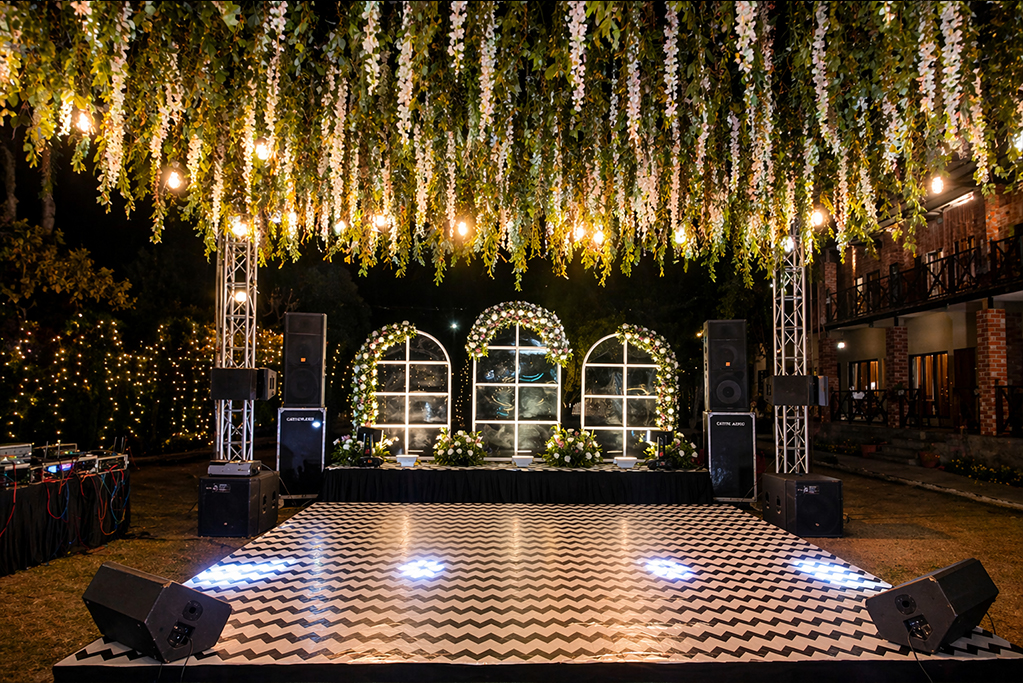
Outdoor weddings have a charm of their own. The setting feels open, the décor has more room to breathe, and the overall celebration often feels more relaxed. But when it comes to execution, outdoor venues ask for more planning than indoor ones. Sound and lighting are usually the two areas where that difference shows up most.
In a banquet hall, many essentials are already built into the venue. Outdoors, that support is not there. Sound has to travel across an open space, and lighting has to work around changing natural conditions. That is why the setup needs to be planned carefully. It should help guests hear every important moment, keep the venue comfortable to move through, and create the right atmosphere as the event unfolds.
Why Outdoor Weddings Need a Different Setup
Indoor venues are easier to manage in many ways. Sound stays more contained, lighting is more predictable, and the layout is usually structured from the start. Outdoor venues do not work like that.
In an open space, sound can get lost more easily. Guests seated farther away may miss parts of the ceremony or speeches if the audio is not distributed properly. Lighting can also
become tricky, especially when the event moves from daylight into evening. A setup that looks fine at one hour may feel too dim or uneven later.
That is why sound and lighting should not be treated as finishing touches. They shape how the wedding actually feels for the guests. If they are handled well, the event feels smooth and well put together. If they are not, even a beautiful venue can feel incomplete.
Start by Understanding the Venue Properly
Before thinking about speakers, mics, or lighting fixtures, it helps to look at the venue as a whole. The layout of the space should guide the setup, not the other way around.
A small lawn with one clear focal point needs a different approach from a large outdoor venue with separate areas for the ceremony, dining, and reception. Guest count matters too. A wedding with a limited gathering can work with a simpler arrangement, while a larger crowd usually needs broader sound coverage and more thoughtful lighting layers.
Timing is just as important. A daytime event may not need much artificial lighting in the beginning, but an evening wedding needs a proper transition as natural light fades. For night functions, lighting becomes central to the experience right from the start.
Once the wedding venue, guest flow, and event schedule are clear, the rest of the planning becomes more practical.
Choosing the Right Sound System for Wedding Events
A good sound system for wedding events is not about making the venue louder. It is about making the event easier to hear.
That difference matters. Guests should be able to hear the vows, speeches, announcements, and music clearly without the audio feeling harsh or overpowering. At weddings, sound needs to support both quieter moments and more energetic ones. The ceremony needs clarity. The reception needs energy. The system should handle both comfortably.
Most outdoor weddings in Hyderabad include main speakers, microphones, and a sound console to manage different audio levels across the event. Wireless microphones are especially useful because they give more freedom during ceremonies and stage movement. Handheld microphones work well for announcements and speeches, while lapel microphones are often better for formal moments where hands-free movement is important.
The main point is this: the system should suit the event, not just the venue size.
Speaker Placement Can Change the Entire Experience
Even good equipment can fall short if it is placed badly. This is one of the most common issues in outdoor weddings. The sound may be strong near the stage, but weak in the back rows. Or it may feel too loud in one section and unclear in another.
That usually happens when the setup depends too much on one central source. In larger outdoor venues, it often works better to distribute the sound across the space with multiple speakers instead of relying on a single high-volume arrangement. That creates more even coverage and helps the event feel balanced for everyone, not just the guests sitting closest to the stage.
Placement also matters for reducing feedback and avoiding awkward sound overlap. A proper site check is important here. A quick sound test on the day of the event, preferably close to the actual event timing, can help identify issues early.
Lighting Needs to Be Practical, Not Just Attractive
Lighting often gets discussed as part of décor, but at an outdoor wedding it does much more than add visual appeal. It helps guests see, move, and stay comfortable in the space.
A venue can look beautiful in photographs and still feel difficult to navigate if the lighting is not planned well. Walkways may be too dim. Guest seating may feel disconnected from the rest of the setup. The stage may look bright, but the surrounding areas may feel uneven or neglected.
That is why lighting should be planned in layers. Some lights are meant to create mood. Others are there to support movement, visibility, and event flow. The best setups usually do both without making either one feel excessive.
Outdoor Wedding Stage Lighting Needs Separate Attention
The stage is where many important moments happen, so outdoor wedding stage lighting should always be planned as its own part of the setup.
General venue lighting is not enough here. Guests need to see the couple clearly, and the stage should still look balanced in photographs and videos. Front lighting helps with facial visibility. Backlighting adds depth. Side lighting can help define the stage and keep the overall look from feeling flat.
The idea is not to over-light the stage. Too much brightness can make it look harsh and uncomfortable. What works better is controlled lighting that keeps the focus on the stage without making it feel disconnected from the rest of the venue.
Plan the Lighting Around the Event Timing
This is where outdoor weddings need more thought than indoor ones. Lighting cannot be treated as one fixed setup because the venue keeps changing as the day moves forward.
For daytime events, natural light does most of the work. Artificial lighting may only be needed to soften certain areas or support covered sections. For sunset weddings, the key is transition. The venue should not suddenly feel darker as daylight drops. Lighting should build gradually so the atmosphere stays consistent.
For evening and night functions, the setup has to do much more. Pathways, stage areas, seating sections, dining spaces, and decorative focal points all need to be covered in a way that feels connected. Knowing how to plan outdoor wedding lighting around the event timing makes a visible difference to the overall experience.
Functional Lighting and Decorative Lighting Should Work Together
A good outdoor setup usually balances two kinds of lighting: functional and decorative.
Functional lighting covers the basics. It makes sure guests can see pathways, entry points, seating areas, and important venue sections clearly. This is what keeps the event comfortable and easy to navigate.
Decorative lighting adds warmth and character. It may include overhead string lighting, subtle uplighting on trees, accent lights for floral installations, or soft highlights around the stage backdrop. These elements help build the visual mood of the celebration.
A lot of wedding lighting ideas outdoor in India focus heavily on the decorative side, which is understandable because those details photograph well. But in practice, both layers matter. A venue should not only look good in pictures. It should also work well for real guests moving through the space.
DJ and Lighting Setup for Wedding Celebrations
The sound and lighting needs for the reception or sangeet are different from the ceremony, so the DJ and lighting setup for wedding functions should reflect that change.
Music becomes a bigger part of the experience, and the lighting usually turns more energetic. Even then, balance matters. The dance floor can carry stronger sound and more active lighting, but the rest of the venue should not feel overwhelmed by it. Guests sitting
nearby should still be able to talk comfortably, and the overall event should not feel visually chaotic.
The best setups create a clear entertainment zone without making the rest of the venue feel disconnected. When this is handled well, the shift from ceremony to celebration feels smooth rather than abrupt.
What Affects Wedding Lighting Cost in India
The wedding lighting cost in India can vary quite a bit, and that usually depends on more than just the number of lights being used.
Venue size is one of the biggest factors. A large lawn or open venue needs wider coverage than a compact space. Layout complexity matters too. If the event is spread across multiple zones, the lighting plan usually becomes more layered and more expensive to execute.
The type of fixtures, the amount of customisation, the duration of the event, and the experience of the vendor team also influence cost. A basic setup may cover only the essentials, while a more elaborate one may include stage lighting, decorative effects, pathway illumination, and support across all major event areas.
It helps to look at lighting in terms of purpose, not just quantity. A smaller, well-planned setup often works better than a large one with no clear structure.
Common Mistakes That Are Easy to Overlook
One common mistake is leaving sound and lighting decisions too late. Once décor and layout choices are locked in, technical planning becomes harder to adjust.
Another issue is skipping a proper site visit or test run. A setup may look fine on paper, but outdoor conditions can change how everything performs. Sound behaves differently in open spaces. Lighting shifts as daylight changes. These are things that need to be checked in real conditions.
It is also common to focus too much on decorative elements and not enough on practical coverage. A venue may look impressive near the stage or entrance, but still feel too dim in seating or pathway areas. Backup power is another detail that should never be ignored, especially in outdoor setups where equipment stability matters throughout the event.
What a Good Setup Really Does
The best outdoor wedding sound and lighting setup is usually the one that feels natural while the event is happening. Guests can hear comfortably. The stage stays visible. The space feels warm and balanced. Nothing feels too loud, too dark, or too harsh.
That is really the goal. Not excess, but ease. Not just a visually striking setup, but one that supports the event properly from start to finish.
Outdoor weddings can be beautiful, but they work best when the technical side is planned with as much care as the décor. Sound and lighting may sit in the background, but they shape a large part of how the celebration is experienced.
Final Thoughts
Outdoor weddings offer more freedom in setting and styling, but they also need stronger planning in the background. Sound and lighting are a big part of that. They affect how guests hear, see, move, and stay engaged throughout the event.
A strong setup does not always mean a bigger setup. It means the right setup for the venue, the timing, and the flow of the celebration. When those pieces come together well, the wedding feels more comfortable, more polished, and much easier to enjoy.
FAQ’s
1. What is the best sound system for an outdoor wedding?
The best setup is one that gives clear and even sound coverage across the venue. Multiple speakers, reliable microphones, and a properly managed sound console usually work better than a single loud arrangement.
2. How many speakers are needed for an outdoor wedding venue?
It depends on the size of the venue, guest count, and layout. Smaller venues may need only a simple arrangement, while larger outdoor spaces often need distributed speakers for better coverage.
3. What type of lighting works best for outdoor wedding stages?
A mix of front lighting, backlighting, and support lighting usually works best. This helps keep the stage visible for guests and also works better for photography and videography.
4. How early should sound and lighting be tested before the wedding?
It is best to test both on-site before the event begins, ideally around the same time of day as the function. That gives a more realistic idea of how the setup will perform.
5. What should be prioritised first in outdoor wedding lighting?
Functional lighting should come first. Pathways, stage visibility, and guest seating areas should be covered properly before decorative lighting is finalised.
Popular Posts

The One Stop Destination Wedding Venue in Hyderabad
Team Wedica
SEP.23, 2024

The Ultimate Destination for Your Sangeet Ceremony in Hyderabad
Team Wedica
SEP.23, 2024

The Perfect Destination for Your Mehendi Ceremony in Hyderabad
Team Wedica
SEP.23, 2024

The Ultimate Destination for Your Sangeet Ceremony in Hyderabad
Team Wedica
SEP.23, 2024
Contact Us

